


Lorem Ispum

Formaldehyde in the textile industry: REACH requirements & testing obligations

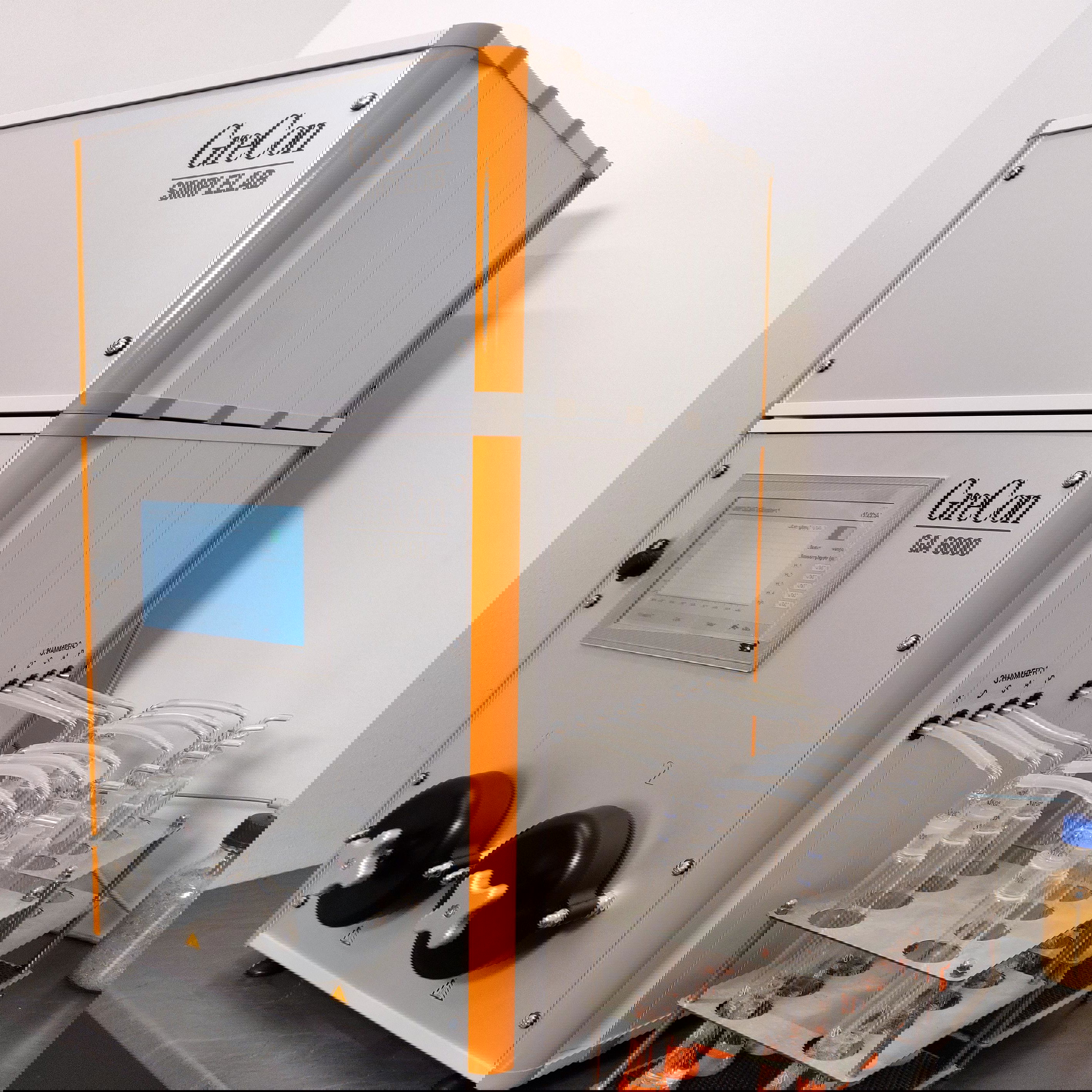
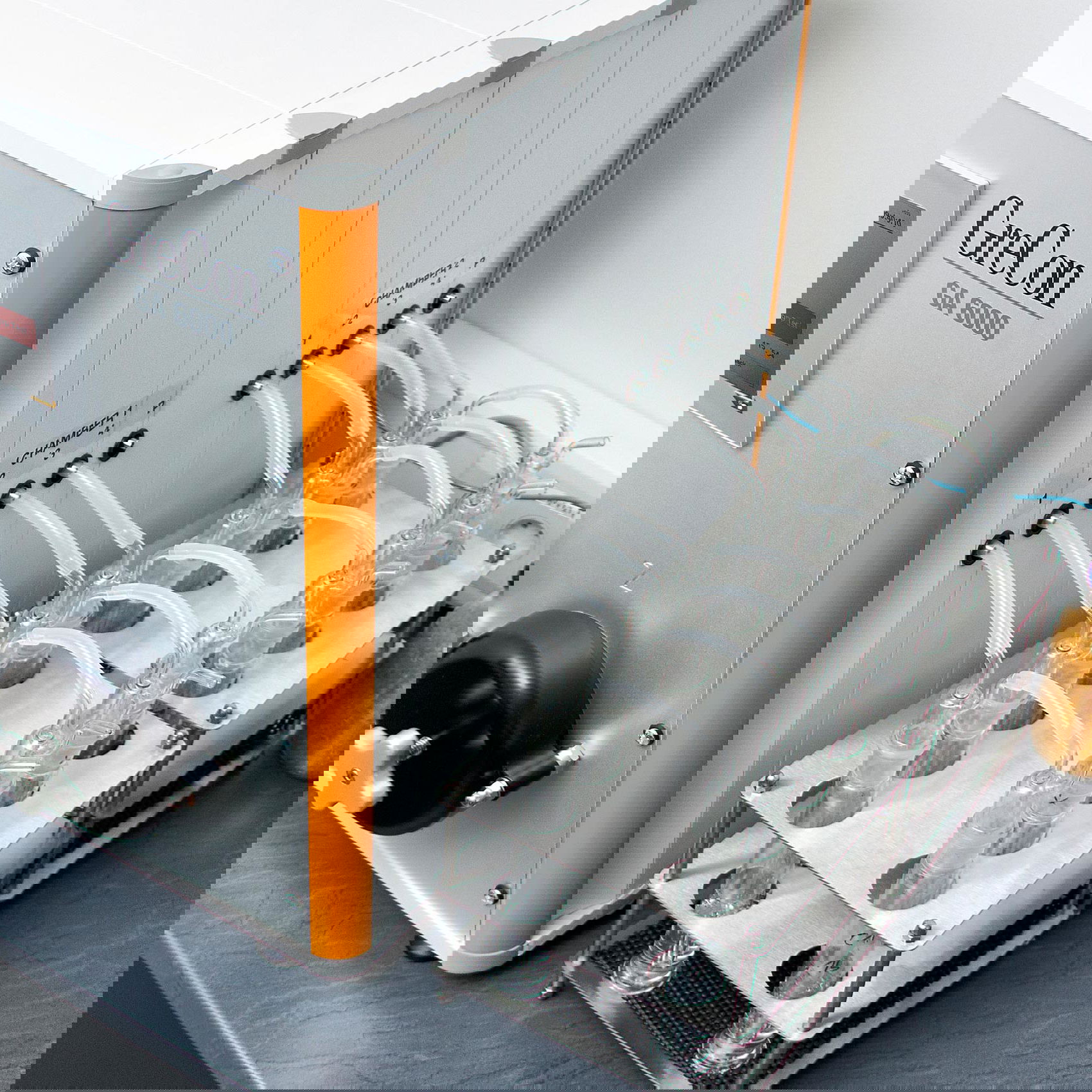
Test formaldehyde – comply with REACH. With measurement technology solutions from Fagus-GreCon.

  • 发布于 2026年七月13日

Key takeaways

From 6 August 2026, a new REACH emission limit of 0.080 mg/m³ applies to indoor textiles without skin contact. What matters is not the formaldehyde content of the material, but how much the article actually releases into indoor air under standardised conditions — demonstrated through gas analysis and chamber testing. Fagus-GreCon provides measuring systems that capture formaldehyde values directly on the production line, making REACH compliance verifiable. For stable processes and less waste.

Why is formaldehyde relevant in the textile industry?

Formaldehyde serves a specific technical function in the textile industry: N-methylol compounds are applied to fabric and thermally fixed to create a wrinkle-resistant finish on cotton fabrics and to protect wool products from felting. What happens chemically is unavoidable — the fixation process releases the compound.

The problem: even after the process is complete, residual amounts remain in the textile and are released into indoor air over time. Under the REACH regulation for formaldehyde, measuring these emissions is now a legal requirement for the first time.

What formaldehyde limits apply to textiles under REACH?

Two restrictions in Annex XVII of the REACH Regulation are relevant for textile manufacturers, applying side by side with different requirements:

  • Entry 72 – Textiles with direct skin contact: 75 mg/kg is the limit that has applied since 2023 to all articles that come into direct contact with skin under normal use (e.g. shirts, underwear, or sportswear). This is measured as the formaldehyde content in the material itself, using extraction.
  • Entry 77 – Indoor air exposure from indoor textiles: From 6 August 2026, a new emission limit of 0.080 mg/m³ applies. What is measured is not the material content, but how much formaldehyde an article actually releases into indoor air under standardised conditions. This affects textiles without direct skin contact, such as curtains, decorative fabrics, upholstery fabrics, furniture covers, wall coverings, and carpets and textile floor coverings.
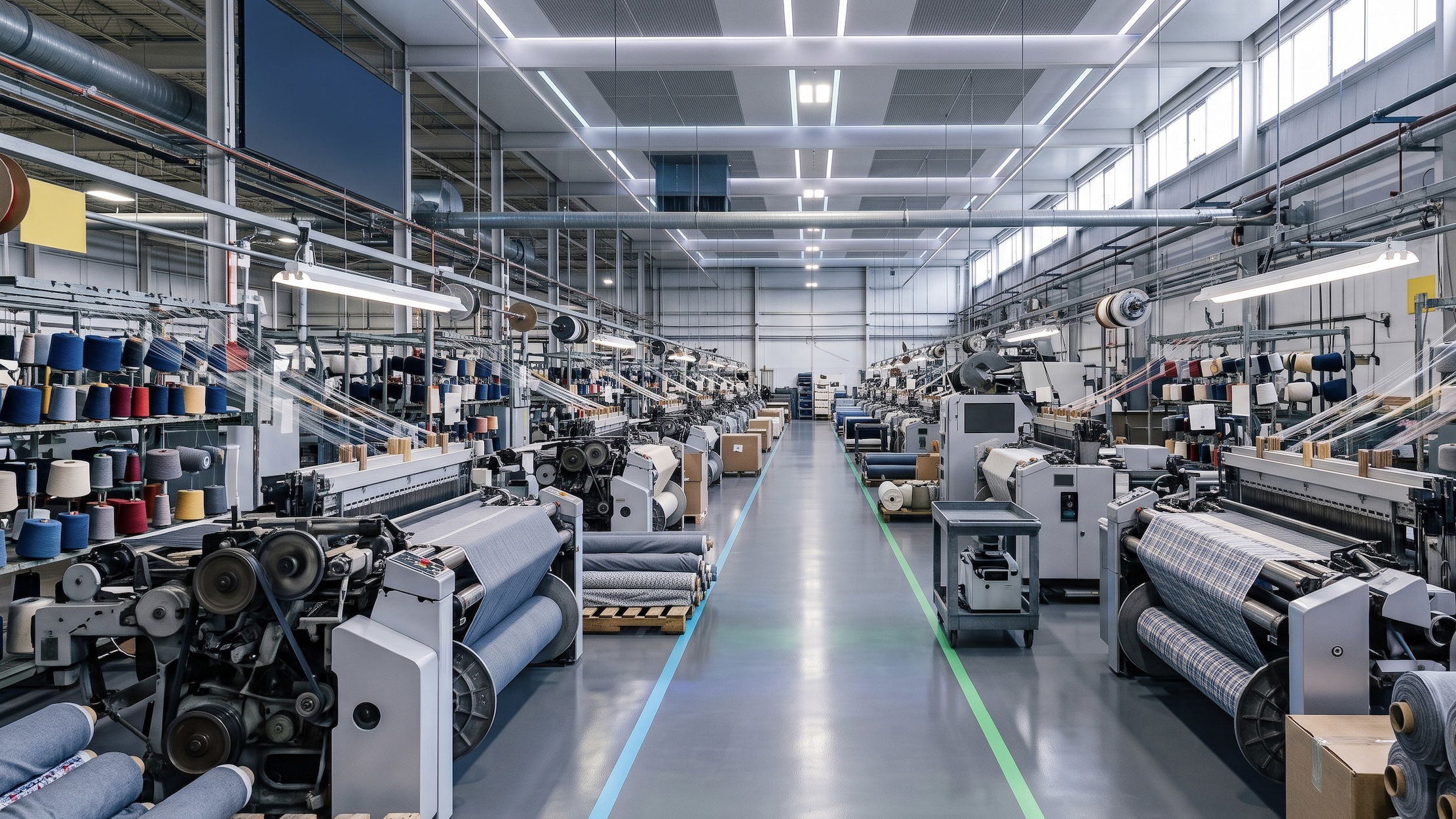
Close up of textiles in a factory as symbol for REACH requirements

What is the difference between OEKO-TEX and the REACH Regulation?

OEKO-TEX® STANDARD 100 and the REACH Regulation both address formaldehyde in the textile industry, but on different levels:

  • OEKO-TEX® STANDARD 100 is voluntary and confirms that textile articles meet the relevant REACH requirements on hazardous substances. It is based on ISO 14184-1, a water-extraction method that determines the formaldehyde content directly in the material.
  • REACH Entry 77 is legally binding and asks a fundamentally different question: not what the material contains, but what the article actually releases into indoor air under real-world conditions. Verification is carried out through gas analysis and chamber testing in accordance with EN 717-1.

What REACH testing obligations apply to the textile industry?

The REACH obligation to provide evidence applies to anyone placing affected indoor textiles on the EU market — regardless of whether the article was manufactured inside or outside Europe. Importers carry the same responsibility as producers.

In practice, this results in three concrete tasks:

  • Testing: Representative product samples must be tested for formaldehyde release, either in an accredited in-house laboratory or through an external testing institute.
  • Documentation: Test results must be recorded and retained in a traceable way, so they can be presented to market surveillance authorities, customers, and trading partners at any time.
  • Securing the supply chain: Anyone purchasing or importing textile articles cannot rely on supplier certificates alone. Responsibility for REACH compliance lies with the party placing the article on the market.

Exceeding the limits can result in sales bans, recalls, fines under national chemicals law, and RAPEX notifications through the EU's rapid alert system.

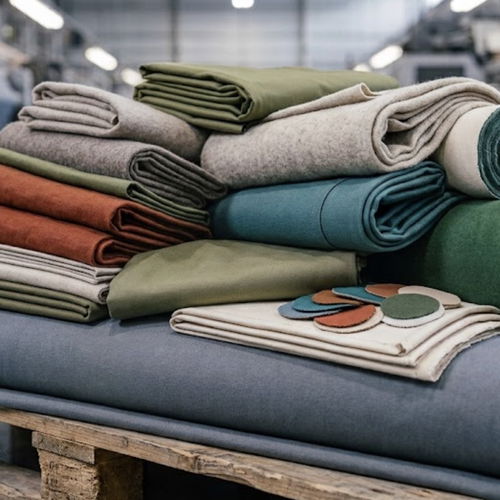
A person holding a piece of fabric

Formaldehyde measurement in the textile industry: Testing approaches for REACH compliance

Meeting REACH testing obligations systematically doesn't require a complicated strategy, but it does require a structured one.

Step 1 – Supply chain risk analysis: Start by reviewing your product portfolio. Which articles contain formaldehyde-releasing finishes? Which materials come from suppliers without an existing emissions test report? Targeted prioritisation saves time and testing costs. Rather than testing everything at once, start with the articles carrying the highest risk.

Step 2 – Reference testing: For legally binding evidence, chamber testing in accordance with REACH is essential. Testing typically takes up to 28 days. Book appointments with accredited laboratories early, as capacity becomes tighter as the deadline approaches. Also note that any relevant change to raw materials, suppliers, or finishing formulations requires retesting.

Step 3 – Securing ongoing production: Between reference tests, internal quality control (in accordance with ISO 14184-1 or ISO 14184-2) helps detect batch deviations early. Important: these internal measurements produce results in mg/kg, so for REACH compliance they must be correlated with the reference chamber values. Manufacturers who additionally integrate inline measurements into the process detect deviations even earlier, before defective batches move further along production.

For more on the formaldehyde testing methods and standards used under REACH, see our overview article.

Organisational discipline alone isn't enough to sustain this testing strategy — the right measuring technology makes the difference.

REACH-compliant formaldehyde testing, tailored to your operation

Every operation has its own requirements. Our experts take the time to develop a tailored testing concept together with you. Fill out the form and we'll get back to you as soon as possible.

We look forward to hearing from you.

Please fill in all mandatory fields marked with an asterisk (*).