







Bem-vindo à Fagus-GreCon – proteção preventiva contra incêndios para a sua empresa.
- Nossas soluções
- Componentes
- Nossos serviços
Você tem dúvidas sobre nossas soluções, setores e áreas de aplicação? Conheça a Fagus-GreCon e veja por si mesmo. A proteção preventiva contra incêndios também protege os ativos da sua empresa.
APRENDE MÁSNuestras soluciones de protección contra incendios pueden utilizarse en diversos sectores y aplicaciones, incluyendo sus necesidades.
APRENDE MÁS- Industrias
Nuestras soluciones específicas para cada sector constituyen la base para el éxito de las aplicaciones de tecnología de medición en su empresa.
APRENDE MÁS
- chimique
- Higiene
- MDF
- OSB
- Pelleta
- Tablero aglomerado
- Contrachapado
- Central eléctrica
- Alimentaria
- Pienso para animales
- Café
- Cacao
- Industria de la producción de harina
- Azúcar
- Metal
- Coche
- Reciclaje
- Reciclaje de neumáticos
- Cemento
- Muebles
- Papel
- Textil
- tecido não tecido
- DETECCIÓN
- Detector de chispas SCOUT DLD 1/9 & DLD1/9 AS
- Detector de chispas SCOUT FM 1/8
- Detector de chispas SCOUT FM 3/8
- Detector térmico SCOUT TM 1/9 Ex
- Detector térmico SCOUT TM 3/9 plus
- Detector de puntos calientes SCOUT IR
- Cámara térmica SCOUT TI
- PROCESO
- Consola de control MISSION CONTROL
- CUBO PROTECTOR
- Consola de control CC 5000
- Consola de control GreCon CC 7000
- Sistema de visualización TOUCH-CLIENT
- PROTECCIÓN
- Módulo de extinción HUNTER IEM
- Dispositivo de extinción HUNTER LS
- Dispositivo de extinción HUNTER UHS
- Puerta de la División HUNTER MD
- Trampas de fuego HUNTER MS
Tecnología de medición industrial de Fagus-GreCon: precisión que mejora los procesos.
- Más de 50 años de experiencia
- Soluciones industriales personalizadas
- Utilizadas en todo el mundo
Nuestros sistemas sientan las bases para una producción eficiente, segura y sostenible, probada durante décadas en la industria de los materiales derivados de la madera y mucho más allá.
APRENDE MÁSTecnología de medición que establece estándares en numerosas industrias: descubra dónde los sistemas GreCon mejoran los procesos de forma cuantificable.
APRENDE MÁS- Industrias
Nuestras soluciones específicas para cada sector constituyen la base para el éxito de las aplicaciones de tecnología de medición en su empresa.
APRENDE MÁS
- Industria del aislamiento
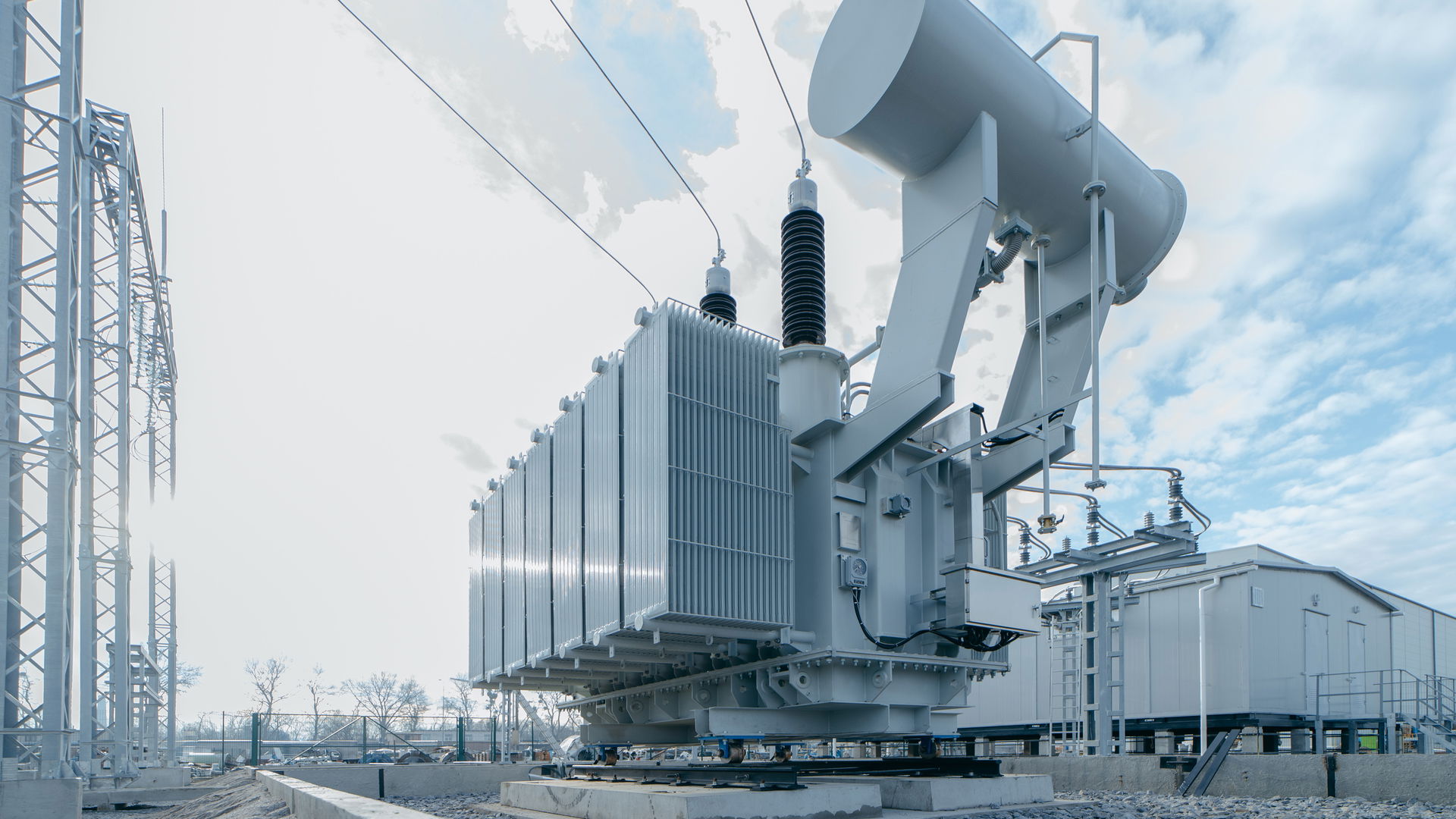
- Transformerboard
- Industria de procesamiento de plásticos
- Industria de materiales derivados de la madera
- Industria de piensos para animales
- Industria azucarera
- Industria de los no tejidos
- Productos
Sus necesidades. Nuestra solución. Descubra la tecnología de medición que se adapta a su proceso: precisa, fiable y probada en múltiples ocasiones.
APRENDE MÁS
- BELTVIEW
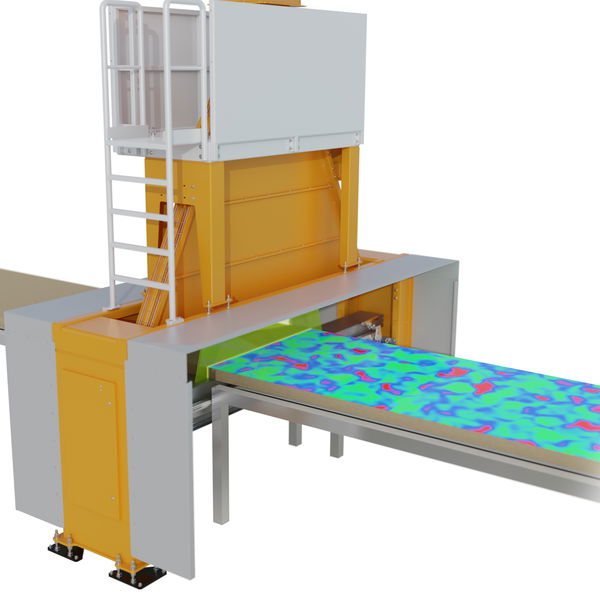
- BOARDCONTROL XL
- BOARDSCALE
- CHIPINSPECTOR
- DELAMINATIONCONTROL
- DENSITYPROFILER
- EDGEINSPECT
- FIBERVIEW
- FOAMCONTROL
- FORMATOR
- GASANALYSER
- LENGTHCONTROL
- MATCONTROL
- MOISTURECONTROL
- PARTICLEVIEW
- THICKNESSCONTROL
Porque el éxito requiere confianza: GreCon ofrece instalación, mantenimiento, asistencia remota y mucho más, en todo el mundo, de forma eficiente y fiable. Descubra ahora nuestros servicios.
APRENDE MÁSFagus-GreCon: ¡la innovación es una tradición en nuestra empresa!
Desde hace más de 100 años, desarrollamos tecnologías que hacen que los procesos industriales sean más seguros, precisos y eficientes en todo el mundo, desde nuestra sede, declarada Patrimonio de la Humanidad por la UNESCO.
APRENDE MÁSGracias a nuestra red mundial de servicios y a nuestras filiales, estamos a su disposición para atenderle a nivel local de forma rápida, eficaz y fiable.
APRENDE MÁSDesde su fundación en 1911, la empresa ha establecido estándares a través de inventos y desarrollos innovadores.
APRENDE MÁSDescubra cómo empresas de todo el mundo utilizan las soluciones de Fagus-GreCon para hacer que los procesos de producción sean más seguros, eficientes y fiables.
APRENDE MÁSNuestro compromiso con la sociedad: Más información sobre nuestras actividades de RSC
- Producción respetuosa con el medio ambiente
- Compromiso social
- Alianzas para la sostenibilidad
Fagus-GreCon es consciente de su responsabilidad y trabaja activamente por un futuro mejor.
APRENDE MÁSFagus-GreCon at international trade fairs and events: Find out where you can meet us in person in the near future.
- International trade fairs
- Trade conferences
- Customer events
Visit us at a trade fair near you and find out about our latest innovations.
APRENDE MÁSWelcome to our news section!
Stay informed about the latest developments at Fagus-GreCon Greten GmbH & Co. KG.
- interesting updates
- current trends
- important news
All compiled for you in one place.
APRENDE MÁSFagus-GreCon: una empresa familiar con tradición.
- Operamos a nivel mundial
- Diversos y dinámicos
- Orientados al futuro
Como empresa familiar, damos gran importancia a un ambiente de apoyo y a las relaciones a largo plazo. Nuestros empleados forman parte de la familia Fagus-GreCon y desempeñan un papel fundamental en nuestro éxito.
APRENDE MÁSOur benefits combine modern working environments with tradition
- Individual support
- Healthy and safe
- Strong together
We create conditions that enable development and promote cohesion – today and in the future.
APRENDE MÁS¿Buscas un reto profesional en un entorno con un fuerte espíritu de equipo y unos valores claros?
APRENDE MÁSDe talento a especialista o directivo. Ofrecemos a los graduados el plan de carrera adecuado, antes, durante y después de sus estudios.
APRENDE MÁS¡Los programas de formación profesional son una tradición en nuestra empresa! Comience hoy mismo su futuro profesional con un apoyo de primera clase y numerosas oportunidades de desarrollo.
APRENDE MÁS