Lorem Ispum

REACH and formaldehyde: What manufacturers need to know now

Test formaldehyde – comply with REACH. With measurement technology solutions from Fagus-GreCon.

With the update of the EU regulation (2023/1464), uniform EU-wide emission limits for formaldehyde in numerous products apply for the first time. Manufacturers must now prove that their products comply with these limits—a challenge for the entire supply chain. We show you how to implement REACH-compliant processes safely and efficiently. But first, the question arises:

What is formaldehyde and why is it regulated by REACH?

Formaldehyde (HCHO) is a colourless gas with a pungent odour and is the simplest representative of aldehydes. The substance has been used in various industries for many decades – initially mainly as a preservative and disinfectant, and later increasingly as a component of binders and adhesives. Formaldehyde is particularly prevalent in urea-formaldehyde resins, which are used in the manufacture of wood-based materials such as chipboard, MDF and plywood. In the form of furniture and floor coverings, these materials are still among the most important sources of formaldehyde in indoor environments today.

Even low concentrations in the air can cause irritation of the eyes, nose and respiratory tract in sensitive individuals; these effects are exacerbated at higher exposure levels. Accordingly, the CLP Regulation lists several hazard statements for formaldehyde, including irritant, corrosive and skin sensitiser. Based on animal testing, the EU has also classified the substance as a category 1B carcinogen since 2014 – a risk that is particularly relevant in the case of long-term exposure to higher concentrations.

In order to avoid increased indoor concentrations and their health effects, the REACH Regulation will set binding EU-wide emission limits for formaldehyde in consumer products for the first time from August 2026.

What does the REACH Regulation regulate?

REACH (Registration, Evaluation, Authorisation and Restriction of CHemicals) forms the central legal framework of the EU for the handling of chemical substances. The aim is to ensure a high level of protection for humans and the environment while guaranteeing the free movement of goods within the internal market. With the update of the REACH Regulation (EU) 2023/1464 on 14 July 2023, this regulation was tightened via Annex XVII and, for the first time, specified with binding emission limits throughout Europe.

This means that, with a few exceptions, almost all articles from which formaldehyde can be released are covered. What previously mainly affected the wood-based materials sector now applies across industries to a wide range of products and applications.

Formaldehyde test vial in chemical solution
REACH creates a uniform EU framework for chemical substances—and has made formaldehyde limits binding across all industries since 2023.

Which industries does REACH affect?

The new REACH limits no longer apply only to traditional wood-based materials. They affect a wide range of industries that process or use materials that can release formaldehyde. Not only manufacturers, but also suppliers, processors, and distributors are required to adapt their processes accordingly and demonstrate compliance.

Our solutions support manufacturers in:

  • the wood and furniture industry
  • the automotive sector
  • the construction and building materials industry
  • textile and leather processing the chemical industry

Your industry is not represented?
GreCon measurement technology solutions are used in numerous industries. Contact us—together we will find out how REACH requirements can be met safely and economically in your environment.

What limits apply to the industries concerned?

The new REACH regulations distinguish between product groups and set clear emission limits:

  • Wood-based products, e.g. furniture and wood-based materials: ≤ 0.062 mg/m³
  • Interior fittings of road vehicles: ≤ 0.062 mg/m³
  • Other products: ≤ 0.080 mg/m³

These values apply throughout the EU and replace previous, partly national regulations with a uniform standard. The decisive factor here is not the raw material used, but the actual measured emissions of the finished product. These limits are monitored in special test chambers – read more about this in our Insight REACH-compliant formaldehyde testing: steps for manufacturers.

CLP classification as a trigger for regulatory dynamics

A key factor behind this regulatory development is the classification of formaldehyde under the CLP Regulation (Classification, Labelling and Packaging). Formaldehyde is classified there as a carcinogen in category 1B.

This classification means that the substance is considered to be carcinogenic to humans. Even though formaldehyde is not currently included in the SVHC candidate list, its hazard classification means that it is subject to increased regulatory scrutiny.

The emission restriction under REACH is therefore part of a broader chemical regulatory system in which hazard assessment, risk minimisation and market regulation work together.

Green Bubbles
The new REACH requirements shift the focus from substance assessment to actual emissions from products – with uniform transition periods across Europe from 2026 and 2027 respectively.

How REACH shifts the focus from substances to product emissions

The change in perspective is noteworthy: while REACH was originally strongly substance-centred, the new regulation specifically addresses emissions from articles.

This shifts the focus

  • away from pure substance registration
  • towards real exposure in indoor spaces
  • and actual release under conditions of use

This approach affects not only manufacturers of chemical precursors, but all companies whose end products can emit formaldehyde.

What does REACH mean for manufacturers?

The new REACH regulation is more than just a technical adjustment of limit values. It marks a step towards more harmonised emission requirements in the European single market.

For manufacturers, this means:

  • higher requirements for documentation
  • greater integration of emission measurements into quality processes
  • closer integration of development, production and compliance

Companies that establish structured testing strategies at an early stage not only achieve regulatory certainty, but also position themselves for long-term stability in the market environment.

Transition periods and market impact

The new limit values apply with transition periods:

  • from August 2026 for furniture and wood-based materials
  • from August 2027 for interior fittings of road vehicles

This phasing-in period is intended to enable companies to adapt processes and develop testing strategies. At the same time, it creates a uniform framework across Europe that reduces distortions of competition and increases transparency along supply chains.

Glass flask containing blue liquid in front of an arm wearing a white coat and gloves
Even though individual products are exempt, the scope of application of the new REACH regulations remains broad—and the testing requirements for manufacturers correspondingly high.

Exceptions – and what they mean

Not all products are subject to the new formaldehyde limits. Not all products are subject to the new requirements. Exceptions include items in which formaldehyde occurs exclusively in natural form, as well as products that are used exclusively outdoors or outside the building envelope. Used items and products that already fall within the scope of other EU regulations—such as food contact materials, medical devices, or personal protective equipment—are also not affected.

In summary:

  • Products that are used exclusively outdoors or outside the building envelope
  • Used items
  • Products that are already subject to other specific EU regulations (e.g., food contact materials or medical devices)

In practice, however, the range of products affected remains large. Many exceptions only apply in clearly defined cases and do not generally release manufacturers from the obligation to carefully check whether they are affected.

FAQs about the REACH Regulation

Whether it's concern, documentation requirements, or organizational implications, the REACH regulation raises fundamental questions. The following answers provide an initial assessment. We will address specific solutions and implementation examples in separate Insights articles.

With a few exceptions, this affects all companies that manufacture, process, or market consumer products from which formaldehyde can be emitted into indoor air. In addition to traditional wood-based materials, this also includes materials from the automotive, construction, textile, and chemical industries. The decisive factor is not the industry, but the emission behavior of the product. You can find more information about the industries affected and exceptions in our Insight article Impact of the new REACH limits on your industry.

Manufacturers and distributors must be able to prove that their products comply with the applicable emission limits. This can be done using their own reliable measurement data, traceable technical documentation, and established testing and control routines. Alternatively, suitable and verifiable evidence from suppliers can also be used—provided that the manufacturer's own processing step does not introduce any additional sources of formaldehyde and does not alter the emission behavior of the product.

We explain which test methods are suitable for this purpose and how they are used in everyday production in the following Insight Test Methods and Standards.

Implementing REACH requirements in practice

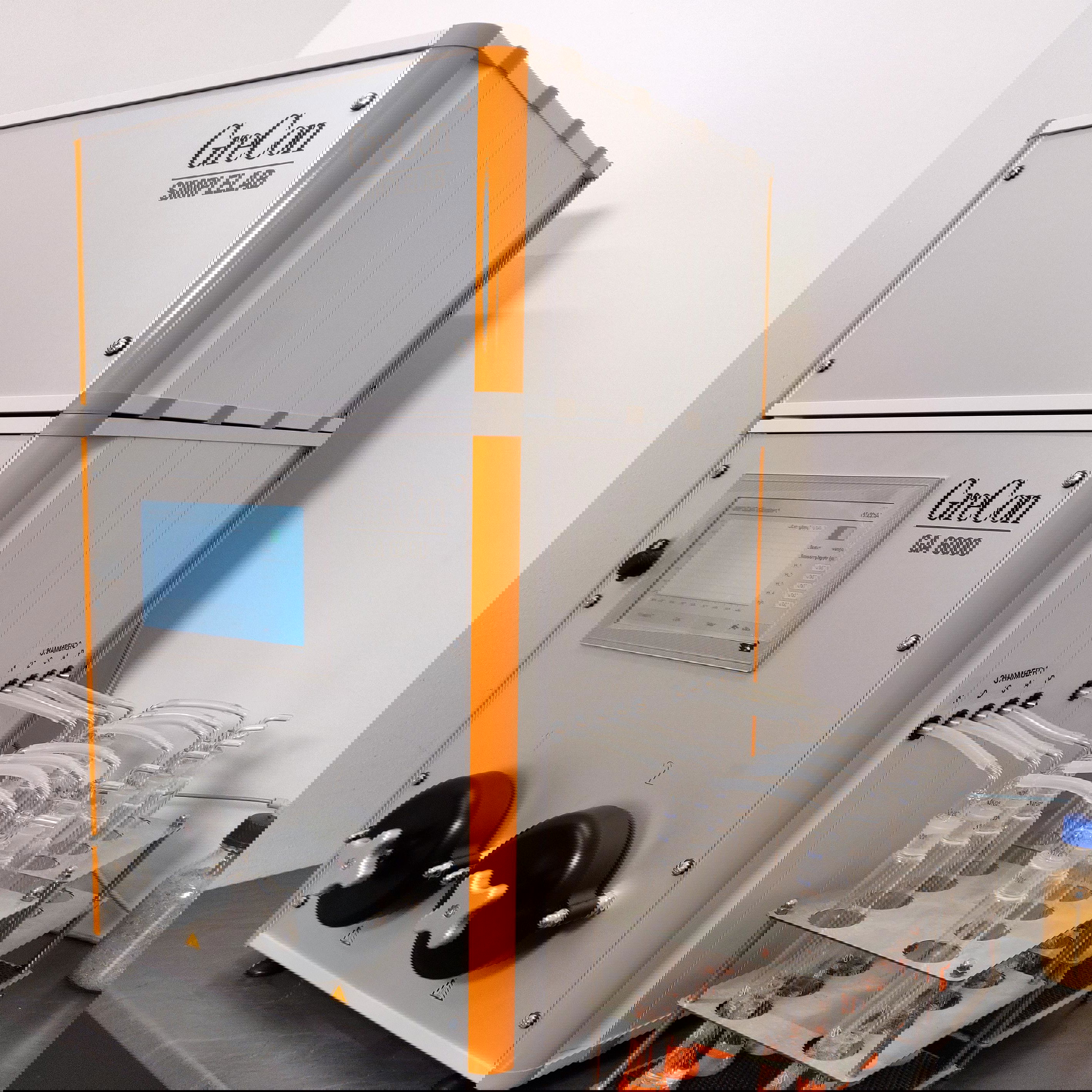
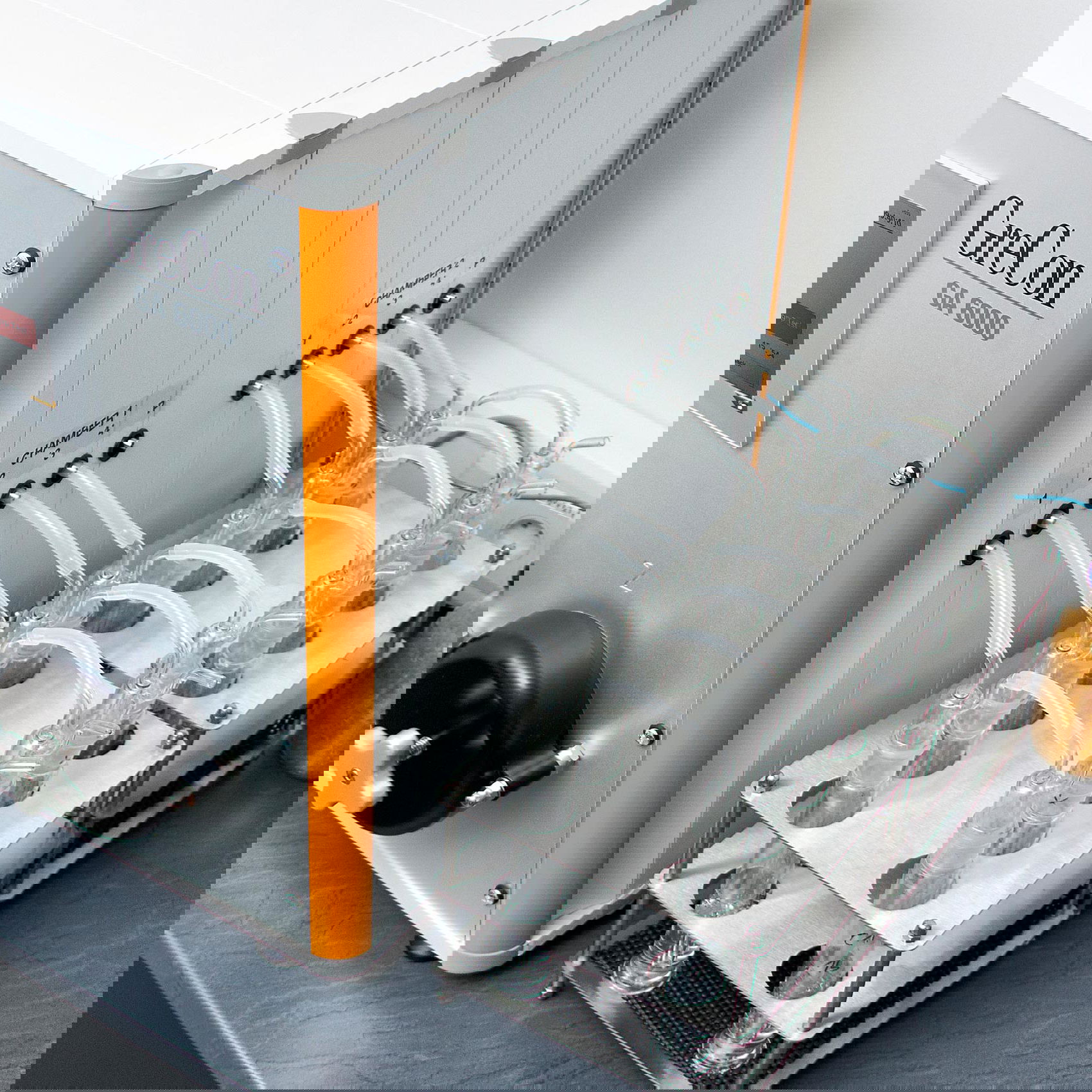
Regulatory developments show that emission control is increasingly becoming part of standard industrial processes. Companies that use formaldehyde in their products or process chains must be able to prove that their products comply with the permissible emission limits—either through their own measurements or through complete and traceable documentation along the supply chain. This is always based on reliable measurement data that ensures both legal certainty and transparency in the production process. With measurement technology solutions for laboratory and inline applications, Fagus-GreCon supports manufacturers in systematically integrating these requirements into their quality assurance processes.

GreCon GASANALYSER MC product against grey-white background
Systems such as the GreCon GASANALYSER MC provide reliable measurement data that is crucial for verifying emission limits and ensuring traceable quality assurance.

The latest REACH insights from your industry

Everything you need to know about REACH—in one place!

Stay informed: Fagus-GreCon provides you with compact technical articles on the latest developments regarding the REACH regulation, new limit values, and technical solutions.

We look forward to hearing from you.

Please fill in all mandatory fields marked with an asterisk (*).